BUY QUALITY PEPTIDES CANADA

A Comprehensive Safe Injection Guide for Peptides
A comprehensive guide to safe injections of peptides.
94 Supreme Peptides
12/21/20254 min read
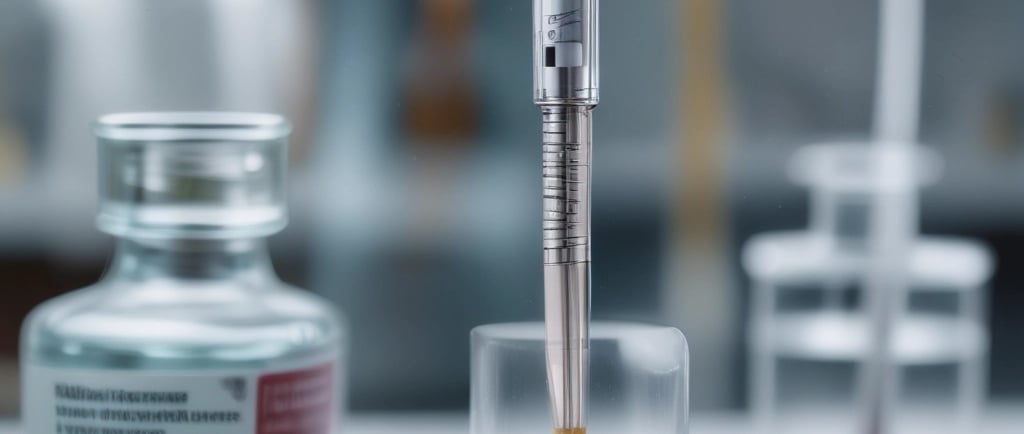
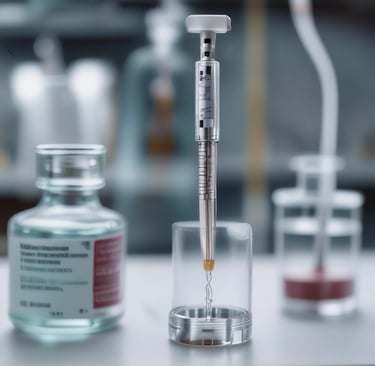
Understanding Peptides and Their Uses
Peptides are short chains of amino acids linked by peptide bonds, and they play vital roles in various biological processes within the body. These molecules serve as signaling compounds, hormones, and components of proteins, thereby influencing numerous physiological functions. Peptides are synthesized naturally in the body, but they can also be artificially produced through chemical processes or recombinant DNA technology, allowing for a vast array of synthetic variants tailored for specific applications.
In medicine, peptides have become integral in the development of therapeutic agents, with applications ranging from cancer treatment to diabetes management. For instance, insulin, a well-known peptide hormone, regulates glucose levels in the blood. Other peptides are being researched for their potential to enhance wound healing, improve mood, and support muscle growth. This versatility makes peptides valuable in both clinical settings and general wellness.
Furthermore, in the fitness industry, peptides are increasingly being utilized to promote muscle synthesis, fat loss, and recovery from exercise. Compounds like growth hormone-releasing peptides (GHRPs) have gained popularity among athletes seeking enhanced performance and recovery times. However, it is crucial to note that the use of such substances should always be accompanied by proper guidance and adherence to safety protocols, as improper administration can lead to adverse effects.
When discussing the administration of peptides, safety measures should not be overlooked. It is essential to understand the implications of injection techniques, temperature storage, and proper dosages. Ensuring the sterility of the injection site and equipment can significantly reduce the risk of complications. Engaging with healthcare providers ensures that users receive tailored advice aligned with their health needs while minimizing potential risks associated with peptide use.
Preparing for a Safe Injection: Tools and Environment
Ensuring a safe injection of peptides begins with the right tools and a sterile environment. The essential equipment needed for the injection includes syringes, needles, and alcohol swabs, all of which play a crucial role in preventing infections and ensuring accurate dosing.
Syringes should be selected based on their volume capacity and compatibility with the peptide solution. A standard size for subcutaneous injections is typically one milliliter, equipped with a fine gauge needle, usually ranging from 25 to 31 gauge, to minimize discomfort while ensuring a smooth injection process. It is imperative to use new, sterile syringes and needles for each injection to avoid contamination risk.
Next, the usage of alcohol swabs is critical. First, clean the vial containing the peptide with an alcohol swab before withdrawing the solution to reduce bacterial contamination. After drawing the peptide into the syringe, it is advisable to gently tap the syringe to remove air bubbles, thereby ensuring accurate dosing without introducing air into the injection site.
In addition to preparing the necessary tools, creating a clean and sterile injection environment is vital. This can be achieved by selecting a well-lit area that is free from dust and other contaminants. A dedicated, sanitized surface should be utilized for the injection process, and it should be disinfected using antibacterial wipes or sprays prior to the procedure. Moreover, it is recommended to conduct the injection in an area free from pets and excessive foot traffic to minimize potential contamination.
Lastly, proper storage of peptides is essential to maintain their efficacy. Peptides should be stored in a cold and dry environment, often in a refrigerator, and when in use, must be properly sealed to prevent degradation. Following these guidelines will aid in ensuring a safe and effective peptide injection process.
Step-by-Step Guide to the Injection Process
Injecting peptides safely and efficiently requires a meticulous approach to minimize discomfort and reduce risks. To begin, select an appropriate injection site. Common sites include the thigh, arm, or abdomen. Ensure the area is free from scarring or bruising, as injecting into these areas can lead to complications.
Once you have chosen the site, it is essential to clean the area thoroughly. Use an alcohol swab to disinfect the skin, moving in a circular motion from the center to the outside, allowing it to dry completely to ensure there is no stinging sensation upon injection. This cleaning step is critical in preventing infections.
Next, prepare your syringe. Before drawing up the peptide solution, ensure that you have assembled your materials: a sterile syringe, a suitable needle, and the peptide vial. Remove the cap from the vial, and wipe the top with an alcohol swab. To draw the solution, pull back the plunger of the syringe to the desired measurement. Insert the needle into the vial, pushing it in smoothly, and then push down on the plunger slightly to allow air into the vial, which aids in drawing up the peptide solution. Invert the vial and pull back on the plunger to fill the syringe. Ensure there are no air bubbles—if present, tap the syringe gently and push the plunger slightly to expel the air.
To administer the injection, hold the syringe like a dart, and quickly insert the needle into the prepared site at a 90-degree angle for intramuscular injections or at a 45-degree angle for subcutaneous injections. Inject the peptide solution slowly, and once completed, withdraw the syringe swiftly and apply gentle pressure to the site with a cotton ball or alcohol pad to minimize bleeding. Dispose of the needle and syringe appropriately to ensure safety. This step-by-step guide will help ensure an effective and safe peptide injection process.
Post-Injection Care and Managing Side Effects
After administering a peptide injection, proper post-injection care is crucial for maximizing benefits and minimizing adverse effects. Initially, apply gentle pressure to the injection site using a clean cotton ball or gauze pad. This helps to limit bleeding and reduce the chances of developing a hematoma or bruise. It is recommended to avoid massaging the injection area, as this can increase discomfort and the risk of irritation.
In the hours following the injection, monitor the site for any signs of potential side effects, such as redness, swelling, or unusual pain. Some individuals may experience minor soreness or inflammation, which is a normal reaction. To alleviate soreness, consider applying a cold compress to the injection area periodically. This can help reduce swelling and enhance overall comfort.
Proper disposal of needles and syringes is a key aspect of post-injection care. Use a puncture-proof sharps container to safely dispose of used injection materials. Avoid throwing them in regular trash as it poses health risks to sanitation workers and others. If such a container is unavailable, consult local regulations for safe disposal instructions.
In certain situations, it may be necessary to seek medical help. For instance, if there are signs of an allergic reaction—such as difficulty breathing, swelling of the face or throat, or hives—immediate medical attention should be obtained. Additionally, if the injection site becomes increasingly painful or shows signs of infection, such as pus or excessive swelling, contacting a healthcare professional is advised.
To minimize post-injection soreness, practice rotating injection sites and ensuring that the skin is clean and dry before the procedure. Following these guidelines will promote a better overall experience during peptide treatment.
94 Supreme Peptides
94 Supreme Peptides - Your trusted Canadian source for research-grade peptides and bacteriostatic water. All products are HPLC-tested for purity.
Contact
Newsletter
94supreme@proton.me
© 2026. All rights reserved.
All our products sold by 94 Supreme Peptides are intended exclusively for laboratory research use. They are not medicines, supplements or drugs and must not be used for human or veterinary treatment or any medical purpose.